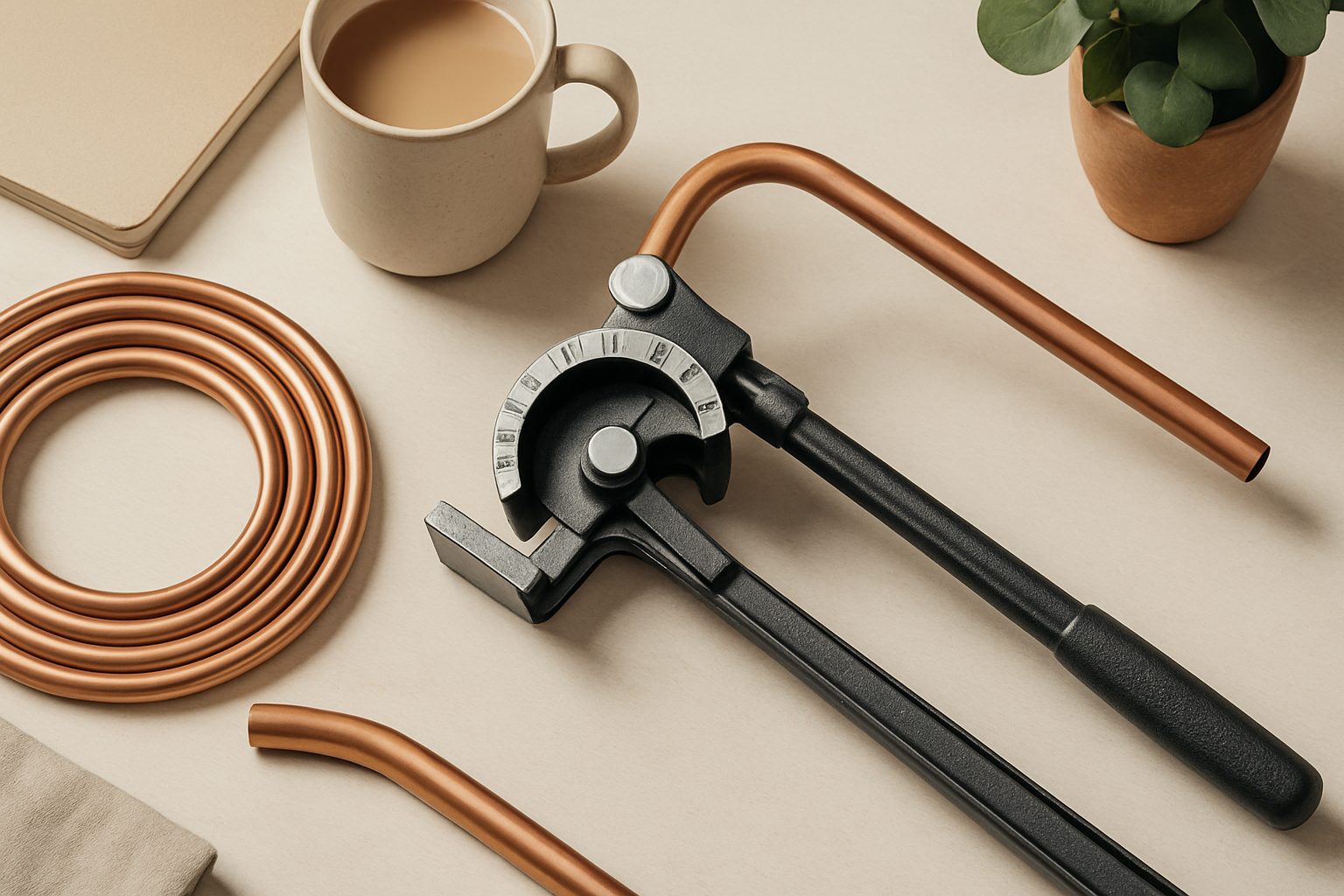
Pipe Bender Accessories & Spare Formers UK – What You Need to Know
If you've owned a pipe bender for any length of time, you'll know that keeping spare formers and accessories on hand isn't optional—it's essential. Whether you're bending copper, steel or aluminium in a workshop, missing a single former or worn roller can grind your work to a halt. This guide covers what you actually need, what these parts do, and how to choose the right spares for your machine.
Why Spare Formers Matter
A pipe bender's former (also called a die or bending wheel) is the curved component that actually shapes your pipe. Each former is sized for a specific pipe diameter, and they wear out. Regular use dulls the edges, creases can form in the metal, and eventually you'll get kinks instead of smooth bends. Rather than abandoning your bender because you're missing one size, ordering a spare former takes minutes and keeps you working.
The same applies to back guides, rollers and pressure handles—these are wear items. They're not expensive, and stocking a few replacements means you're never caught without the right tool for a job.
Understanding Former Sizes
Formers come in standard sizes that correspond to common pipe diameters. In the UK, you'll typically find them for:
- 8mm, 10mm, 12mm pipes
- 15mm, 22mm pipes (very common in plumbing and general work)
- 28mm, 35mm pipes (heavier-duty work)
Not every bender accepts every size. Smaller portable benders often max out at 15mm or 22mm, whilst bench-mounted hydraulic benders can handle 35mm and beyond. Before ordering a spare, check your machine's manual or measure your current former. The diameter is usually stamped or printed on the wheel itself.
The cost varies: a 15mm or 22mm former typically runs £12–£30, whilst larger sizes cost more. It's worth buying two or three spares in sizes you use regularly. Worn formers are frustrating; missing ones are worse.
Back Guides and Rollers
The back guide (sometimes called a shoe or pressure block) sits opposite the former and holds the pipe steady during bending. It takes significant wear because it's always in contact with the metal. Over time, the surface becomes polished or grooved, and you'll notice the pipe slipping or bending unevenly.
Replacing a back guide usually means unbolting the old one and sliding a new one into place—a job taking five minutes. Guides cost £8–£20 depending on size and material. Buying one or two spares is sensible if you're a regular user.
Rollers serve a similar purpose in some designs: they guide and support the pipe as it bends, rotating freely so they don't mark the surface. A worn or stuck roller causes friction and uneven bends. Replacements are typically £5–£15 each. If your bender has three or four rollers, keeping two spares in stock means you can swap them out if one seizes.
Other Key Accessories Worth Having
Pressure handles and levers. The handle you pull or squeeze to apply bending force gets a lot of use. Over months or years, welds crack or pivot points wear. A spare handle (usually £15–£35) prevents downtime when yours fails. Many people don't think about this until it breaks mid-job.
Spare locating pins or blocks. These small metal pieces position the pipe in the former correctly. They're easy to lose and cheap to replace (£2–£8). Having a spare set means you're not hunting through the workshop floor.
Protective sleeves and guards. Some benders come with rubber or plastic sleeves that protect the pipe from marking. They wear out or get lost. Replacements are inexpensive and worth keeping around, especially if you're bending finished or painted pipe.
Belts and springs (if your model uses them). Manual or semi-automatic benders sometimes have drive belts or return springs. These degrade over time. Knowing part numbers and having spares on hand saves days of waiting for a replacement.
Choosing the Right Spares
Know your bender. Write down the model and manufacturer. Keep your manual (even if it's just a photocopied page). When you're ready to buy spares, this information makes ordering straightforward.
Buy from specialist suppliers. Whilst some big online marketplaces stock bender parts, specialist suppliers in the UK are often more reliable. They'll verify compatibility and can advise on what fits your machine. A quick phone call saves ordering the wrong part.
Match materials. Formers come in hardened steel (standard, affordable, suitable for most work) and sometimes stainless steel (pricier, better for corrosive environments). Make sure your replacement matches what your bender was designed for.
Consider your workload. If you're bending 50 pipes a week, buy more spares and rotate them. If you're bending 5, one or two spares per size is probably enough. Think about what you actually do.
Don't cheap out on critical parts. A £8 former might seem like a bargain, but if it's softer metal and wears out after 20 bends, you've wasted money. Spend a bit more on parts from reputable suppliers.
Storing Spares Safely
Keep formers and rollers in a dry place, ideally in a marked container. Formers can rust if left damp. Wrap them in cloth or newspaper to prevent damage. Label everything clearly—you don't want to spend ten minutes figuring out which 22mm former is which.
Final Thoughts
Pipe bender accessories aren't glamorous, but they're the difference between a machine that works reliably and one that frustrates you daily. A small stock of formers, back guides and rollers costs under £100 and keeps you bending for months. It's good workshop practice and genuinely useful.
More options
- Clarke Pipe Benders (Clarke PB16F & Clarke Strongarm range) (Amazon UK)
- Silverline Pipe Benders & Spring Bender Sets (Amazon UK)
- Monument Pipe Bender & Lever Bender Range (Amazon UK)
- Hydraulic Pipe Bender Kits (12T / 16T multi-former sets) (Amazon UK)
- Rothenberger Rocbend & Copper Pipe Bender Sets (Amazon UK)